Most injectable treatments are designed to change the shape of the face: add volume here, soften a fold there. Skin boosters are different. They are designed to change the quality of the skin itself, its hydration, elasticity, firmness and glow, without altering your features. That distinction is why they have quietly become one of the most requested treatment categories in Dubai, and also why they are so often misunderstood.
If you have heard names like Profhilo, Jalupro or Rejuran and wondered what they actually are, how they differ, and whether any of them is right for you, this guide is for you. It reflects the way we approach skin boosters at Sequoia Clinic: assessment first, product second, and honest expectations throughout.
What Are Skin Boosters?
Skin boosters are injectable treatments that deliver hydrating and skin-conditioning ingredients, most commonly hyaluronic acid, amino acids or polynucleotides, into the skin itself rather than beneath it. Instead of filling a specific line or restoring volume to a specific area, they are placed in small amounts across a treatment area, the whole face, the neck, the under-eye area or the hands, to improve the condition of the skin from within.
The goal is skin that is better hydrated, more elastic and more luminous. Results are typically gradual and natural-looking: skin boosters are often described as an investment in skin quality rather than a visible "procedure".
They sit in a distinct category. It helps to be clear about what they are not:
- They are not dermal fillers. Fillers are firmer gels placed to restore volume and structure, in the cheeks, lips, chin or jawline. Skin boosters use much softer formulations spread thinly through the skin, and they do not change facial shape. We have written a separate guide to dermal fillers and how they are used for readers weighing up that side of the menu.
- They are not anti-wrinkle injections. Those work on the muscles that create expression lines. Skin boosters do not affect muscle movement at all.
- They are not quite mesotherapy either, although the two overlap. Mesotherapy typically uses very superficial micro-injections of vitamin and nutrient cocktails; skin boosters generally use structured, regulated injectable products with specific dosing protocols and a deeper placement.
How Do Skin Boosters Work?
Most skin boosters work through one or both of two mechanisms.
The first is deep hydration. Hyaluronic acid, the ingredient at the heart of many boosters, binds many times its own weight in water. Delivered into the skin, it acts as a moisture reservoir that topical skincare cannot replicate, because creams sit largely on or near the surface.
The second is biostimulation. Certain ingredients, particular forms of hyaluronic acid, amino acid complexes and polynucleotides, appear to prompt fibroblasts, the skin cells responsible for producing collagen and elastin, to become more active. The aim is not an overnight change but a gradual improvement in the skin's own supportive structure over weeks and months. Individual responses vary, and the evidence base differs from product to product, which is one reason product selection should be a clinical decision rather than a trend-led one.
In practice, a course of skin boosters is usually delivered as two or three sessions spaced a few weeks apart, followed by maintenance sessions once or twice a year. Skin quality tends to improve progressively across the course rather than immediately after the first appointment.
The Main Skin Boosters, Explained
The category has grown quickly, and Dubai clinics offer a wide menu. These are the products patients ask us about most.
Profhilo
Profhilo is one of the most recognised names in the category. It uses a high concentration of hybrid hyaluronic acid with a distinctive property: after injection it spreads evenly through the tissue rather than staying where it is placed. This allows a full-face treatment through just five injection points on each side, using a protocol known as BAP (bio-aesthetic points). It is usually delivered as two sessions a month apart and is most often chosen for skin laxity, firmness and overall glow, particularly in the lower face and neck. It suits skin that looks tired or crepey rather than skin that needs volume.
Jalupro
Jalupro combines hyaluronic acid with a cluster of amino acids, the building blocks the skin uses to produce collagen. It is often chosen for skin that looks dull or depleted, for fine lines, and for delicate areas such as around the eyes. The newer formulations are longer-lasting and are frequently used for deeper conditioning of the face and neck. Like most boosters it is delivered as a short course, then maintained.
Rejuran and polynucleotide treatments
Rejuran is the most widely recognised of the polynucleotide boosters, often referred to as the "salmon DNA" treatment because its active ingredient, PDRN (polydeoxyribonucleotide), is derived and purified from salmon DNA. Polynucleotides are used with a regenerative aim: research suggests they can support skin repair, elasticity and hydration, and they have become particularly popular for the under-eye area, acne scarring and skin that shows early sun damage. Rejuran originated in South Korean clinical practice and has become one of the most searched-for skin treatments in Dubai in recent years.
Hyaluronic acid microdroplet boosters
A broader family of products, including well-established ranges from the major filler manufacturers, deliver soft hyaluronic acid in microdroplets across the treatment area. Newer entrants in this group are designed specifically for smoothness and lasting hydration in the cheeks and lower face. These are the closest thing to a "classic" skin booster: hydration first, subtle improvement in texture and fine lines over a course of treatment.
Combination and specialist formulations
Beyond the headline names sit numerous cocktails combining hyaluronic acid with vitamins, minerals and peptides. Some are well established, others newer with thinner evidence. The honest position is that products in this category vary considerably in the strength of their supporting research, and more ingredients do not automatically mean better results. This is where independent clinical advice matters more than marketing.
Who Are Skin Boosters For?
Skin boosters tend to suit people who like the face they have and want it to look healthier, rather than people seeking a change in shape or projection. Common reasons patients choose them include:
- Skin that looks dull, tired or dehydrated despite a good skincare routine
- Early signs of laxity or crepiness, particularly in the lower face, neck or under-eye area
- Fine lines and uneven texture
- Preparing skin ahead of an event, with sessions planned well in advance
- Maintaining skin quality alongside, or between, other treatments
Living in Dubai adds its own case for the category. Months of air conditioning, high summer temperatures and year-round sun exposure are genuinely dehydrating for skin, and many of our patients notice their skin looks flatter and more tired here than it did in other climates. Boosters do not replace daily SPF, sensible skincare and hydration, but they address the deeper moisture deficit that topical products cannot reach.
They are not suitable for everyone. Active skin infections, certain autoimmune conditions, pregnancy and breastfeeding are among the reasons a clinician may advise against or defer treatment, which is one of several reasons a medical consultation should always come first.
What to Expect from Treatment
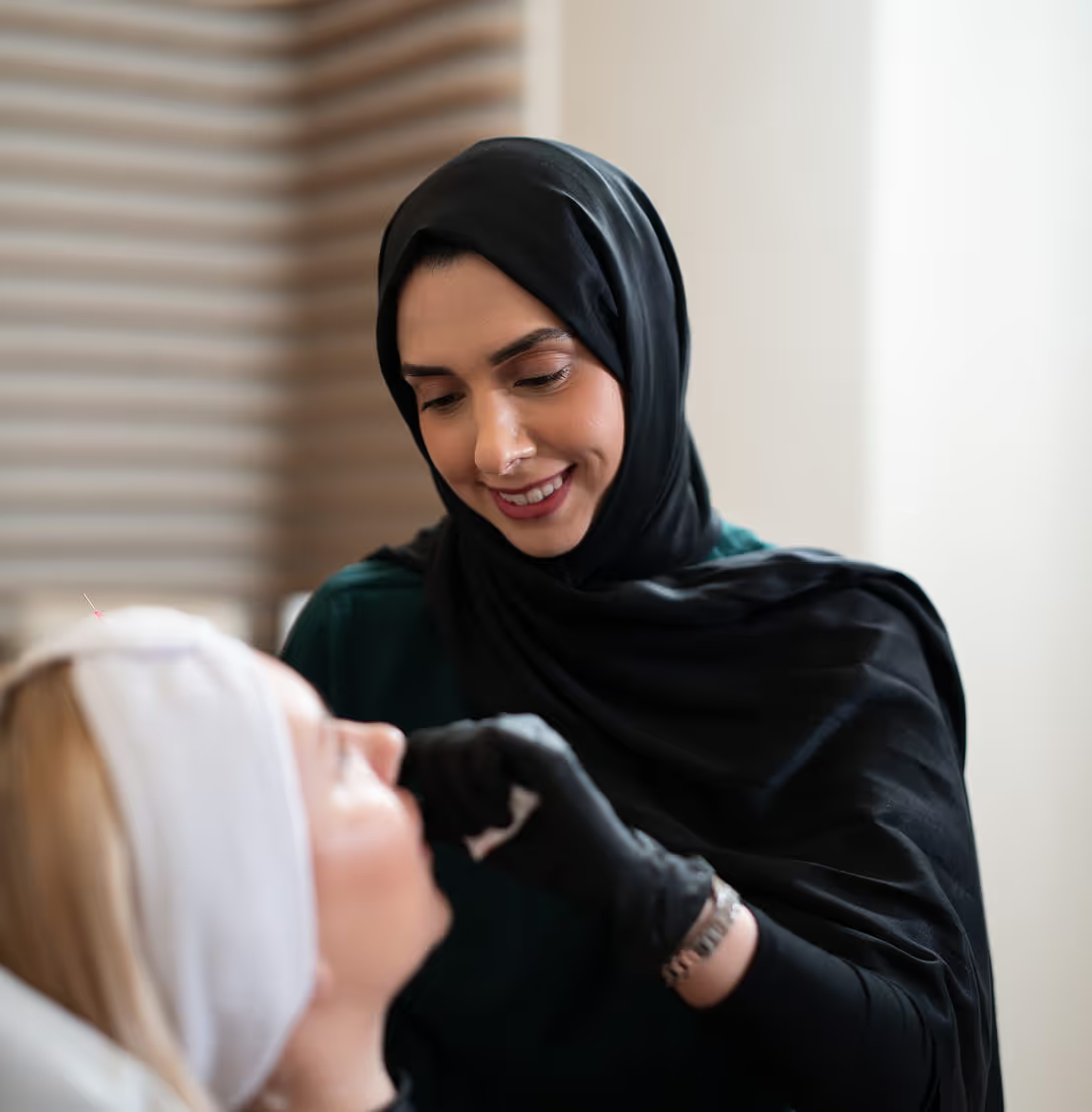
A typical skin booster appointment at a medical clinic follows a consistent pattern. After consultation and skin assessment, a topical numbing cream is applied. The injections themselves are quick, a full-face session usually takes well under an hour, and discomfort is generally mild.
Afterwards you can expect small raised points or light swelling at the injection sites for a day or so, occasionally minor bruising, and standard aftercare advice: no make-up for the rest of the day, and avoiding intense heat, exercise and sun exposure for around 48 hours, which in a Dubai summer mostly means staying ahead of your usual sun precautions.
Results build over the course. Most people notice improved hydration within a couple of weeks of the first session, with firmness and glow developing across the full protocol. How long results last varies by product and person, but six to twelve months with periodic maintenance is a reasonable expectation. No injectable treatment offers permanent results, and any clinic promising them is worth walking away from.
Skin boosters also rarely deliver their full value in isolation. Skin quality reflects internal health, sleep, nutrition and hormone balance as much as anything applied or injected, a connection we explored in our guide to how peptides, skin boosters and IV therapy support skin health. A diagnostic-first clinic will look at that whole picture before recommending a syringe.
Risks and Considerations
Skin boosters have a good safety record when delivered by qualified medical practitioners using regulated products. The common side effects, injection-site bumps, swelling and bruising, are short-lived. Rarer risks, including infection or an inflammatory reaction, are minimised by proper technique, sterile protocols and genuine products.
The practical considerations matter as much as the medical ones:
- Choose the practitioner before the product. Assessment, technique and honest patient selection determine outcomes more than the brand name in the box.
- Check the setting. In Dubai, injectable treatments should be performed in a DHA-licensed medical facility by licensed practitioners, not in salons or homes.
- Be wary of counterfeits. Popular products attract copies. A legitimate clinic will happily show you the sealed product and its provenance.
- Expect a course, not a single fix. Budget and plan for the full protocol plus maintenance; a single session undersells what the treatment can do.
Frequently Asked Questions
What is Profhilo and how is it different from other skin boosters?
Profhilo is a hyaluronic acid treatment that spreads evenly through the skin from just ten injection points across the face, rather than being placed in microdroplets. It is primarily chosen for firmness, elasticity and glow, delivered as two sessions a month apart. Other boosters use different ingredients or placement techniques and may suit different skin concerns.
What is Jalupro treatment?
Jalupro is an injectable skin booster combining hyaluronic acid with amino acids that support the skin's own collagen production. It is commonly used for dull or tired-looking skin, fine lines and the delicate area around the eyes, usually as a short course of sessions followed by maintenance.
What is Rejuran, and is salmon DNA safe?
Rejuran is a polynucleotide skin booster whose active ingredient, PDRN, is derived and highly purified from salmon DNA, chosen for its compatibility with human tissue. It is used with a regenerative aim, supporting skin repair, elasticity and hydration, and is popular for the under-eye area and acne scarring. In clinical use it has a good safety profile, though as with any injectable it should only be delivered by a licensed practitioner after a medical consultation.
How long do skin boosters last?
Most skin boosters last around six to twelve months after a completed course, depending on the product, your skin and your lifestyle. Maintenance sessions once or twice a year are typically recommended to sustain results. Effects develop gradually across the course rather than appearing overnight.
Are skin boosters better than dermal fillers?
Neither is better; they do different jobs. Skin boosters improve the quality of the skin, its hydration, firmness and texture, while dermal fillers restore volume and structure in specific areas. Many treatment plans use both, and a consultation can clarify which addresses your actual concern.
Do skin booster injections hurt?
Discomfort is generally mild. Numbing cream is applied beforehand, the needles used are very fine, and sessions are short. Some areas, such as around the eyes, are more sensitive than others, and your practitioner can adjust the approach accordingly.
A Considered Approach to Skin Quality
Skin boosters reward patience and planning: the right product, placed well, on the right skin, as part of a broader approach to health. At Sequoia Clinic, a DHA-licensed, physician-led clinic in Al Barsha, that starts with an honest assessment of your skin and what is driving its current condition, not with a product name.
If you are considering skin boosters, a consultation at Sequoia Clinic can help determine whether they may be suitable for your individual needs and goals, and which protocol fits your skin. Book a consultation with our clinical team.